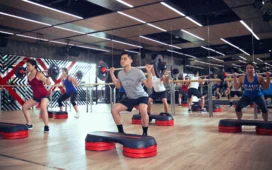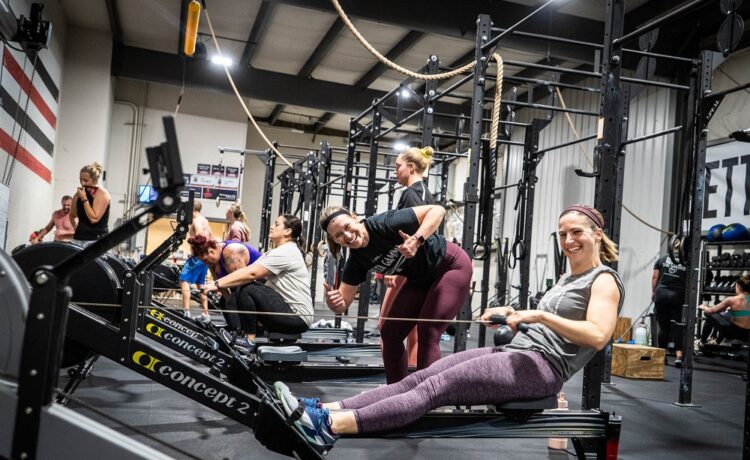
A good workout should challenge people, but challenge without guidance can quickly become messy. Many people push too hard when they feel motivated, then lose form, ignore fatigue, or choose exercises that do not match their level. Others do the opposite. They stay too comfortable because they are unsure how much effort is enough. Coached group workouts help solve both problems.
For people considering workout classes, the biggest benefit is not only the group energy. It is the presence of structure and instruction. A coach can guide the pace, demonstrate movement, offer modifications, and help participants work at the right intensity. That balance allows people to push themselves while still training with control.
Why People Need Guidance During Group Training
Group training brings energy, but energy alone is not enough. Without coaching, a room full of people moving together can become unsafe or ineffective. Participants may copy each other without understanding form. They may rush movements to keep up. They may choose harder options before they are ready.
A coach brings order to the session. They set expectations, explain the workout, demonstrate technique, and remind participants to listen to their body.
This guidance helps people get more value from the workout.
Safe Pushing Is Different From Random Intensity
Many people confuse intensity with effectiveness. A workout that leaves someone exhausted may feel successful, but exhaustion is not always the goal. Effective training should challenge the body in a way that supports progress.
Safe pushing means increasing effort while maintaining technique. It means knowing when to raise resistance, when to slow down, when to modify, and when to rest.
A coach helps participants make those decisions in real time.
The Instructor Controls the Flow
In a coached class, the instructor controls the structure. This includes the warmup, main workout, transitions, recovery periods, and cooldown. That flow matters because it helps the body prepare before intensity rises.
A rushed class can feel exciting but may increase the chance of poor movement. A well-paced class builds gradually. Participants understand what is coming and how to manage effort.
Good flow makes the workout feel challenging without feeling chaotic.
Modifications Make Group Workouts More Effective
Not everyone in a class has the same ability. Some participants may be new. Others may be experienced. Some may have joint sensitivity. Others may be returning after time away. A good coach provides options.
A movement can be modified by reducing impact, lowering range, changing resistance, slowing tempo, or using a simpler variation.
Modifications allow people to stay in the class while training at the right level. This is one of the reasons coached classes can serve many people at once.
Coaching Builds Confidence
Many people feel uncertain in fitness spaces. They may worry about doing exercises incorrectly or looking inexperienced. A coached class gives them clearer direction. Instead of guessing, they follow instructions.
Over time, repeated coaching builds confidence. Participants begin to understand movement patterns, pacing, and intensity. They learn how their body responds.
Confidence makes consistency easier.
Group Energy Encourages Effort
Training alone requires self-generated energy. Some people can do that well. Many cannot. In a group setting, music, instructor cues, and shared movement create momentum.
Participants may push a little harder because the environment supports effort. The key is that the coach keeps that effort productive.
A good class should motivate people without pressuring them to ignore limits.
Technique Cues Matter
Small technique cues can change an exercise. A coach may remind participants to keep knees aligned, brace the core, relax the shoulders, control the landing, or breathe steadily. These cues help protect form as fatigue builds.
This is especially important in classes with repeated movements. Fatigue can reduce control. Timely coaching helps participants reset.
Technique should not disappear just because the class is energetic.
Consistency Comes From Positive Challenge
People return to workouts that challenge them but do not make them feel defeated. If a class is too easy, it may become boring. If it is too hard, participants may not come back. A good coach finds the middle ground.
Positive challenge means participants leave feeling worked, proud, and willing to return.
That feeling is important for long-term fitness.
Coached Workouts Reduce Planning Stress
Many people want to exercise but do not want to plan every detail. Coached classes remove that burden. The participant does not need to design the workout, choose machines, or track every interval.
This makes training easier to start, especially after a long day.
The coach provides the plan. The participant provides effort.
Accountability Becomes Built In
A class time creates accountability. A coach leading the session strengthens it. Once someone books and attends regularly, the workout becomes part of the weekly rhythm.
This kind of accountability is helpful for people who often cancel solo workouts. The group and coach create a structure that is harder to ignore.
Avoiding Overtraining in Group Settings
Group workouts can be exciting, which sometimes leads people to attend too many intense sessions. A good coach can remind participants that recovery matters. Not every day should be maximum effort.
Participants should also learn to balance class types. Strength, cardio, mobility, and recovery all play a role.
The safest routine is not the most intense one. It is the one that can be repeated.
How to Choose a Well-Coached Class
A well-coached class should include clear demonstrations, safe progressions, modifications, and attention to pacing. Participants should feel guided, not lost. The instructor should create energy while still respecting form.
People should also notice whether the class feels welcoming. A supportive environment helps participants train consistently.
Why Coaching Makes Group Fitness More Valuable
The difference between a random group workout and a quality class is coaching. Coaching gives movement purpose. It helps participants work hard without losing control. It also makes the class more inclusive for different levels.
For people comparing class environments, True Fitness Singapore may be relevant when looking for guided group fitness that supports effort, structure, and safer progression.
FAQ
Are coached group workouts safer than training alone?
They can be safer when the instructor provides clear form guidance, modifications, and proper pacing. Participants still need to listen to their body.
Can beginners join coached workout classes?
Yes, if the class offers suitable modifications and the instructor explains movements clearly.
How hard should a group workout feel?
It should feel challenging but controlled. If form breaks down or pain appears, intensity should be reduced.
Do coached classes help with consistency?
Yes. Fixed class times, instructor guidance, and group energy can help people maintain a regular routine.