

Raising children is one of life’s most meaningful journeys, but it also comes with daily challenges. Understanding how kids grow, learn, and adapt helps caregivers provide the support children need at every stage. This guide explores essential areas of child development and offers practical ways to nurture a child’s mind, body, and emotional world.
Understanding Child Development
Why Development Stages Matter
Every child grows at their own pace, yet developmental milestones offer a helpful roadmap. These milestones reflect how children typically evolve physically, socially, and emotionally.
Key Development Areas
-
Physical growth – motor skills, coordination, activity levels
-
Cognitive development – problem-solving, reasoning, curiosity
-
Social skills – friendships, communication, empathy
-
Emotional development – self-control, confidence, coping abilities
Recognizing patterns in these areas allows parents to respond to their child’s needs with more confidence and calm.
Building Healthy Routines
Nutrition and Eating Habits
Balanced meals support brain development, energy, mood regulation, and immunity. Encouraging kids to explore different fruits, vegetables, and whole foods builds long-term healthy habits.
Examples of positive food practices include:
-
Offering colorful, nutrient-rich foods
-
Involving kids in grocery shopping or cooking
-
Avoiding using sweets as rewards
Sleep and Rest
Adequate sleep helps support learning, memory, behavior, and physical growth. Establishing calming bedtime routines—such as reading or light stretching—can make sleep predictable and comforting.
Movement and Play
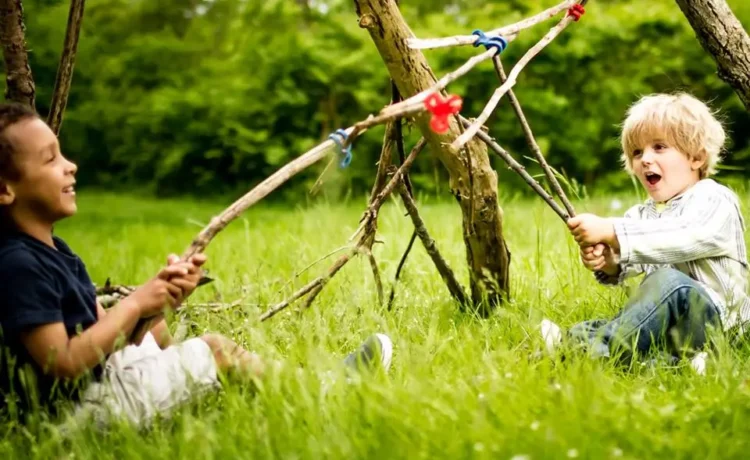
Physical activity strengthens muscles, boosts mental well-being, and builds confidence. Free play is equally important, as it nourishes creativity and problem-solving skills.
Emotional Well-Being and Resilience
Helping Children Understand Emotions
Kids experience big feelings but often lack the vocabulary to express them. Guiding children to identify emotions builds self-awareness and reduces frustration.
Positive Discipline
Healthy discipline helps children learn from mistakes rather than fear consequences. Focus on teaching, guiding, and setting consistent boundaries.
Effective approaches include:
-
Using calm and clear communication
-
Redirecting behavior
-
Modeling kindness and patience
Fostering Confidence
Encouragement motivates children to keep trying even when faced with challenges. Praising effort rather than perfection strengthens resilience.
Encouraging Social Skills
Building Healthy Relationships
Children learn social skills through interaction, observation, and play. Teaching empathy and respect helps them form strong connections.
Communication Skills
Listening attentively to children makes them feel valued. Encourage them to share ideas, ask questions, and express opinions respectfully.
Screen Time and Technology Use
Balanced technology use can support learning but requires mindful limits.
Healthy digital habits include:
-
Setting time boundaries
-
Choosing age-appropriate content
-
Encouraging offline hobbies
-
Co-viewing educational content when possible
Teaching kids to use technology responsibly strengthens digital literacy without replacing real-world experiences.
Creating a Safe and Supportive Environment
Emotional Safety
Children thrive when they feel accepted and supported. Creating a home environment where kids can express themselves freely reinforces their emotional security.
Physical Safety
Simple steps such as securing household hazards, teaching safe practices, and supervising play ensure a safe space for growth and exploration.
FAQs
1. What is the most important aspect of raising a healthy child?
A balanced approach that includes emotional support, consistent routines, and opportunities for learning is key to raising a healthy child.
2. How much sleep do kids typically need?
Sleep needs vary by age, but most school-age children require 9–12 hours of sleep each night for healthy development.
3. How can I improve my child’s communication skills?
Encourage open conversations, ask thoughtful questions, and model respectful communication in daily interactions.
4. What are signs my child may need extra emotional support?
Changes such as persistent sadness, withdrawal, irritability, or sudden academic decline may signal a need for additional care or counseling.
5. How do I reduce my child’s screen time without conflict?
Offer appealing alternatives like outdoor play or hands-on activities and set clear, consistent screen rules as a family.
6. What helps build strong social skills in children?
Regular playtime with peers, guided problem-solving, and role-playing different social situations help strengthen social confidence.
7. How can I encourage my child to eat healthier foods?
Allow kids to help with meal prep, introduce new foods slowly, and serve healthy options in fun, colorful presentations.


